Certificates vs Skills: What Matters More in the AI Era?
“Certificates Prove Learning. Skills Prove Capability.”
Have you completed online courses, earned certificates and added them to your resume, but still feel unprepared for technical interviews?
You are not alone. Many fresh graduates learn technical concepts but struggle when they are asked to apply that knowledge to a real problem.
The job market is changing. With Artificial Intelligence (AI) making information, explanations and coding assistance easier to access, employers need to understand more than what a candidate has studied. They also need evidence of what the candidate can actually do.
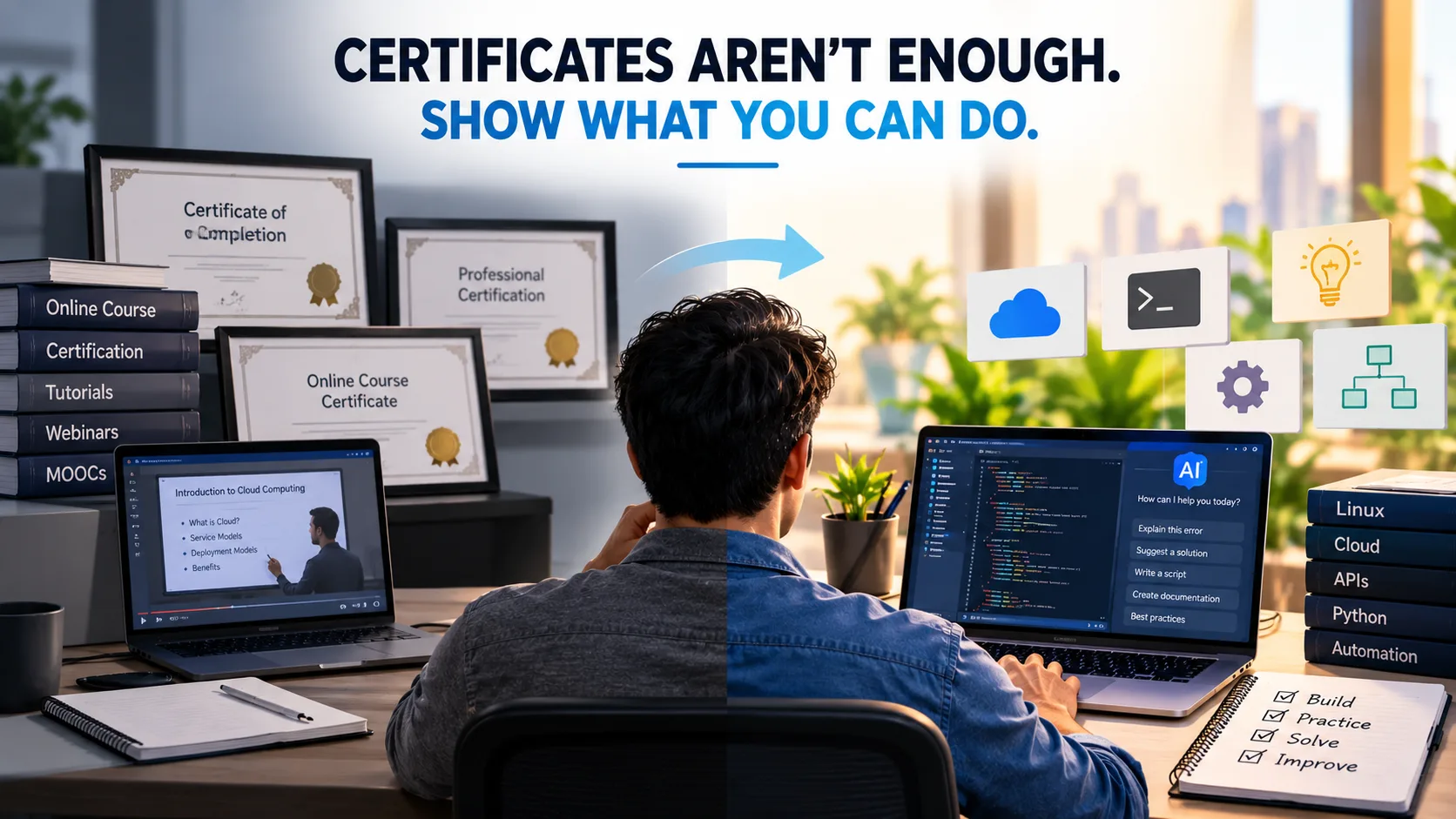
A certificate can show that you have completed a course. Practical skills demonstrate how you apply that knowledge, solve problems and learn from mistakes.
So, should you focus on certificates or practical skills? The answer is not to ignore certificates, but to combine structured learning with hands-on experience.
In this article, we will explore what matters to employers, how AI is changing technical careers, and how fresh graduates can build skills they can demonstrate in interviews.
This also raises an important question for students: how students can learn effectively in the AI era when access to information is easier than ever, but practical understanding still takes effort.
Are Certificates Enough to Get a Job in the AI Era?
No. Certificates can show that you have completed a course or studied a subject, but they do not automatically prove that you can perform the work.
Employers also need to evaluate practical knowledge, problem-solving, communication and the ability to handle real situations. For technical roles, this may mean troubleshooting a Linux server, investigating a network issue, writing a SQL query or diagnosing an application problem.
The best approach is not to choose between certificates and skills. It is to combine relevant certifications with hands-on practice and clear evidence of what you can do.
Why Practical Skills Matter More Than Certificates Alone
At UPSPIR, we believe that evaluating technical talent requires more than checking qualifications on a resume. A candidate may understand a concept when asked a direct question, but a practical task can reveal whether they can apply that knowledge.
Consider a candidate who has studied Linux. Instead of asking only about commands, an assessment can present a simulated server issue and ask the candidate to investigate it.
The assessment can evaluate whether the candidate:
Identifies the right information before making changes.
Uses relevant commands and interprets the output correctly.
Explains the likely cause of the problem.
Checks whether the proposed solution actually works.
Documents the investigation clearly.
The same approach can be used for networking, SQL, cloud fundamentals and technical support scenarios.
A practical assessment does not replace certifications. It adds another layer of evidence to help employers understand a candidate’s readiness for the role.
How AI Is Changing What It Means to Be Job-Ready
AI has made learning more accessible than ever. A student can ask an AI assistant to explain networking, generate examples, simplify a technical concept or help debug a piece of code. Someone learning Linux can ask questions instantly. Someone learning Python can get explanations and coding examples. Someone preparing for an interview can practice questions with AI. This is a positive development. But it creates a new challenge.
When AI makes information easier to access, knowing the theory is only part of the equation. Candidates also need to apply that knowledge, evaluate AI-generated suggestions and verify the results.
Imagine a technical support engineer facing a customer issue. The engineer may not remember every Linux command or API response code. That is okay. They can use documentation, search and AI assistance.
But they still need to:
- Understand the customer’s problem.
- Identify what information is relevant.
- Form a reasonable hypothesis.
- Investigate the issue.
- Use the right tools.
- Validate the solution.
- Communicate clearly with the customer.
- Document what happened.
AI can help with many parts of this process. But it cannot remove the need for judgement and ownership.That is why practical capability is becoming more important.
Why Collecting Certificates Isn't Enough
There is another problem that many early-career professionals face. They start collecting certificates without building enough depth. One certificate becomes five. Five become ten. The resume starts looking impressive. But during an interview, the candidate struggles with basic practical questions.
For example: “You have a Linux certification. How would you investigate a server where disk usage has suddenly reached 100%?”
Or:
“You have completed an AWS course. How would you troubleshoot an application that cannot connect to its database?”
Or:
“You know APIs. What would you check if an API is returning a 401 response?”
If you struggle to answer these questions, it does not mean your certification was a waste. It means you have an opportunity to strengthen your understanding through practice. Revisit the concept, reproduce the problem in a safe environment, investigate possible causes and document what you learn.
5 Skills Fresh Graduates Need in the AI Era
As AI becomes part of the workplace, technical roles are not simply disappearing. Instead, many roles are changing. The people who can work effectively with technology and AI can become more valuable. For an entry-level technology professional, that means developing a combination of skills.
1. Technical fundamentals
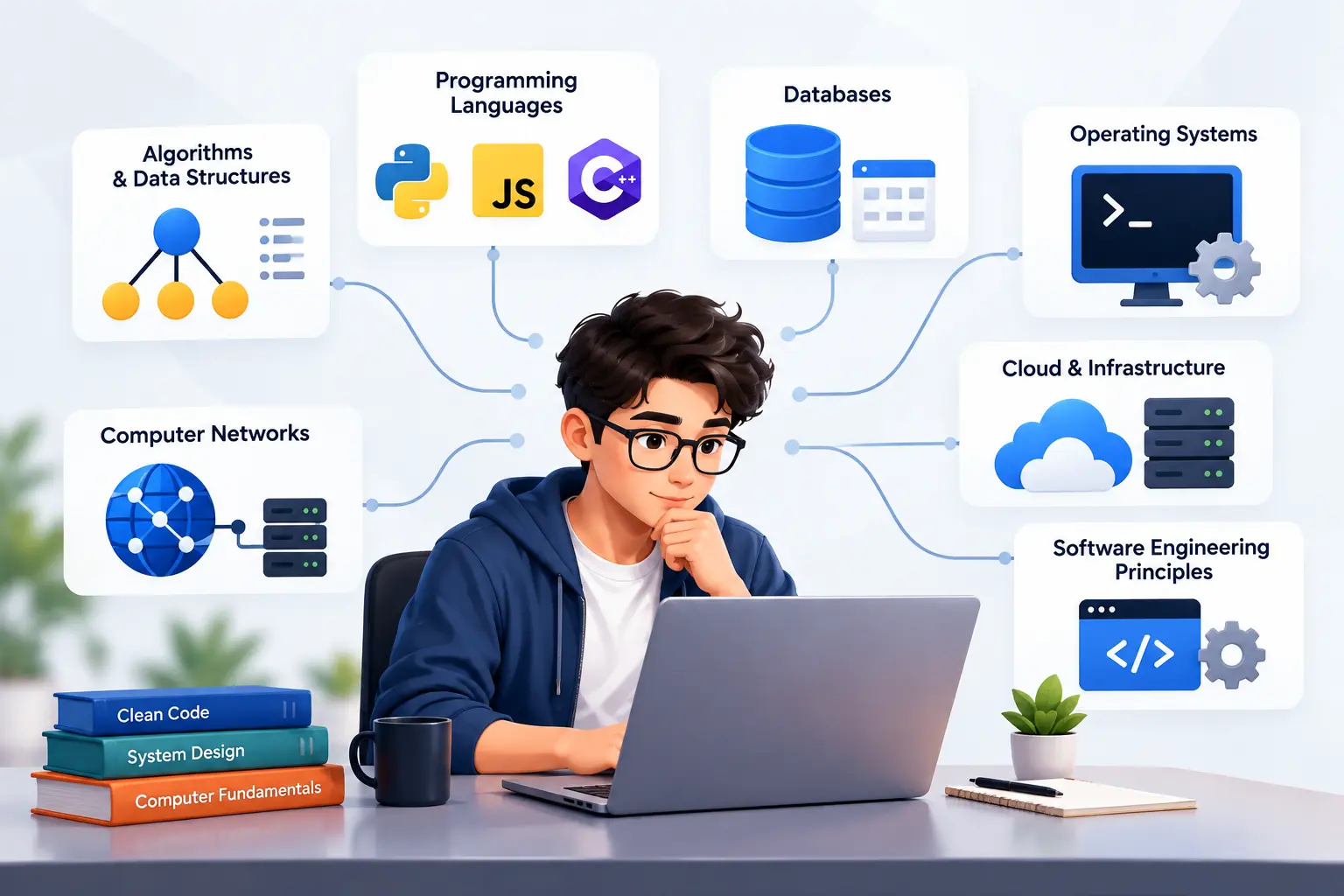
Strong fundamentals still matter. Depending on the role, this could include:
- Linux
- Networking
- SQL
- APIs
- Cloud
- Programming or scripting
- Databases
- Security fundamentals
AI can explain these topics. But you still need to understand them.If an AI-generated answer is wrong, you need enough knowledge to recognise the mistake.
2. Problem-solving
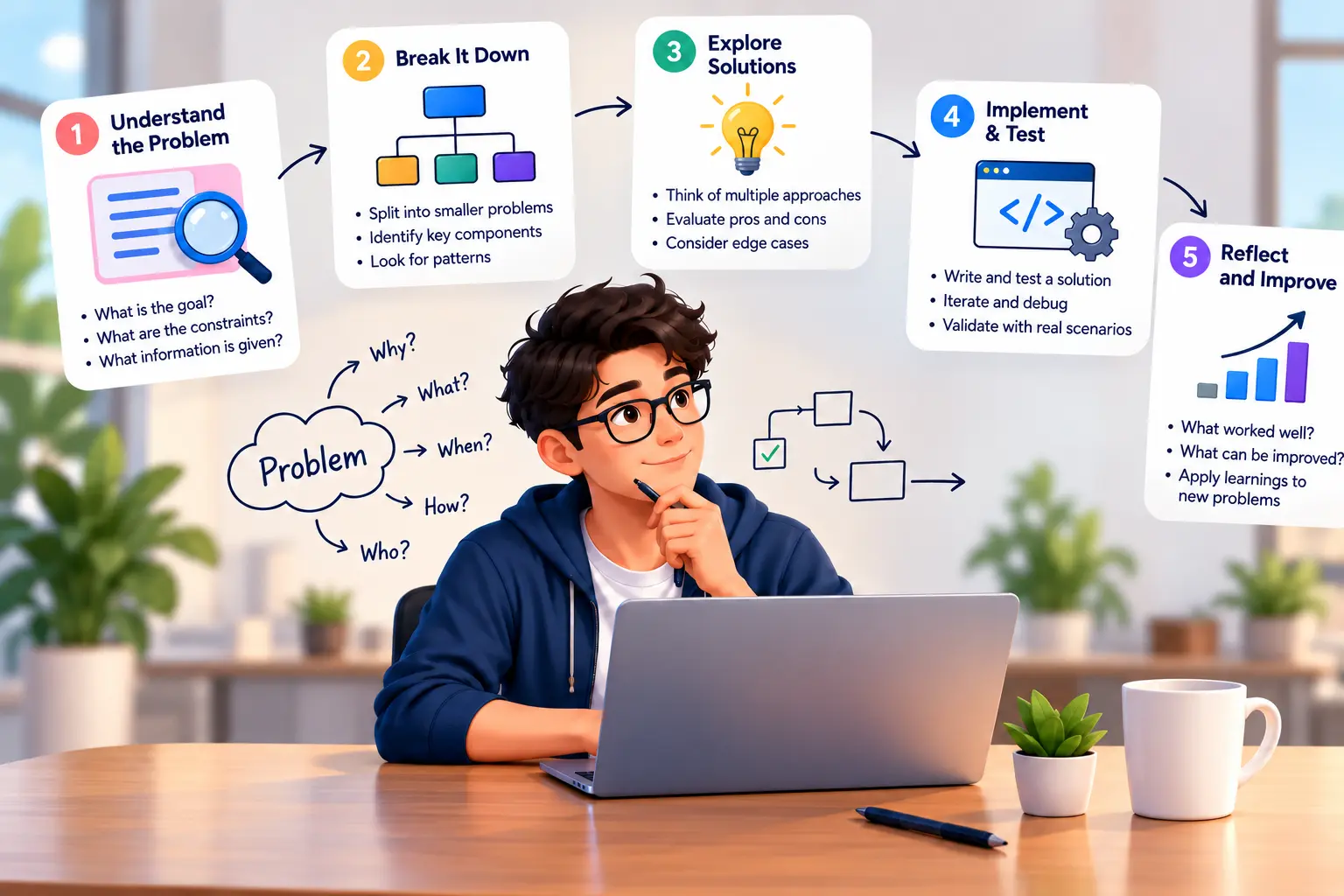
Real work rarely arrives as a multiple-choice question. A customer does not say:
“Choose the correct answer from A, B, C or D.”
They say:
It was working yesterday. Now it isn’t. You need to investigate. You need to ask questions. You need to identify possible causes and eliminate them one by one. That ability cannot be demonstrated by a certificate alone.
3. AI literacy
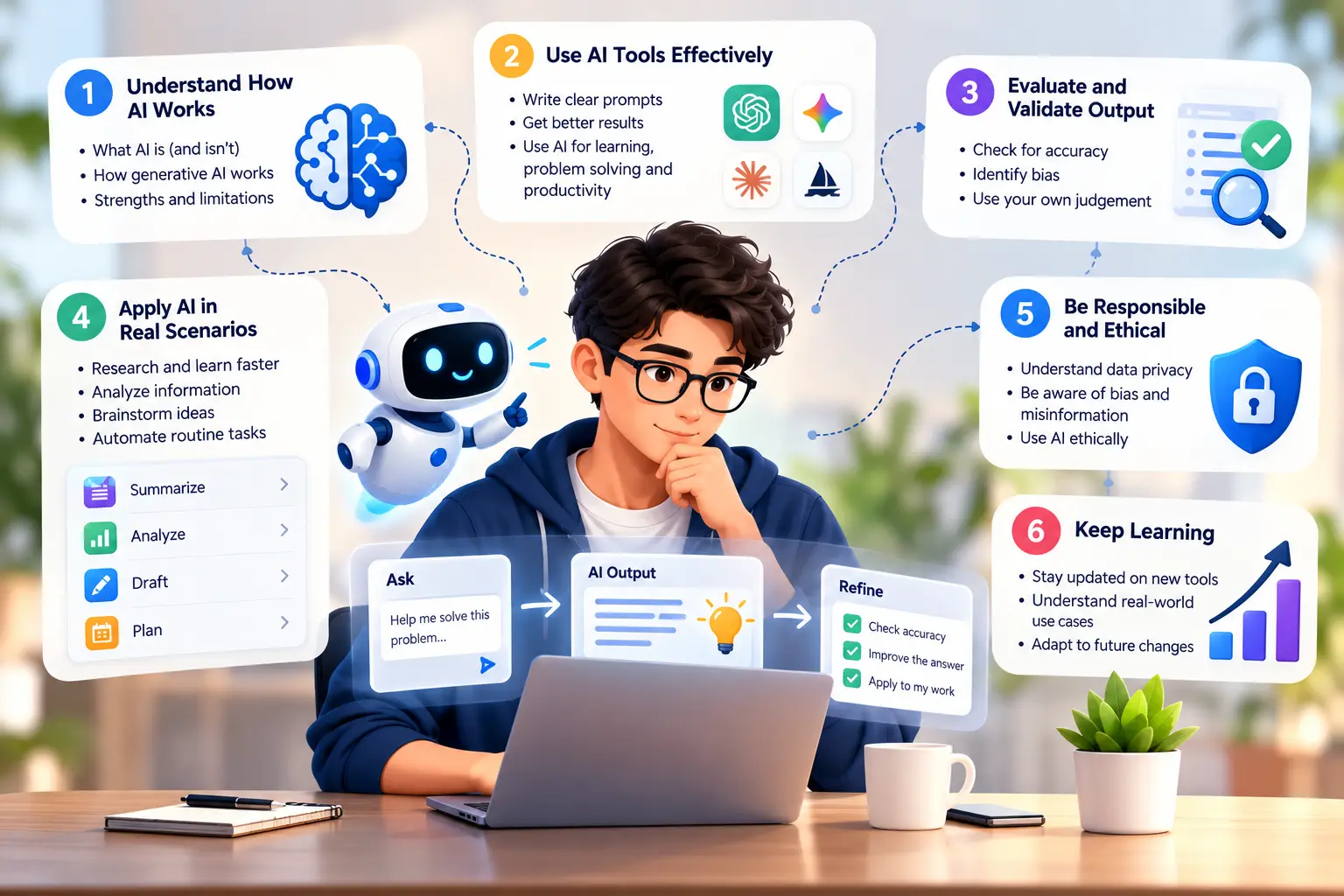
Being ready for the AI era does not mean everyone needs to become an AI researcher. It means professionals should know how to use AI responsibly to improve their work.
For example:
- Researching technical problems
- Generating first drafts
- Analysing information
- Creating scripts
- Explaining errors
- Preparing documentation
- Practising communication
- Automating repetitive tasks
The skill is not simply “knowing ChatGPT.” The skill is knowing when to use AI, how to use it and how to verify its output.
4. Communication

Technical knowledge without communication can create problems. A technical professional may find the correct solution but still struggle to explain it to a customer, manager or colleague. In support, cloud and operations roles, communication is part of the job.
You need to explain:
- What happened
- Why it happened
- What you checked
- What you changed
- What the customer should do next
A certificate cannot demonstrate this very well. A real conversation can.
5. Ownership
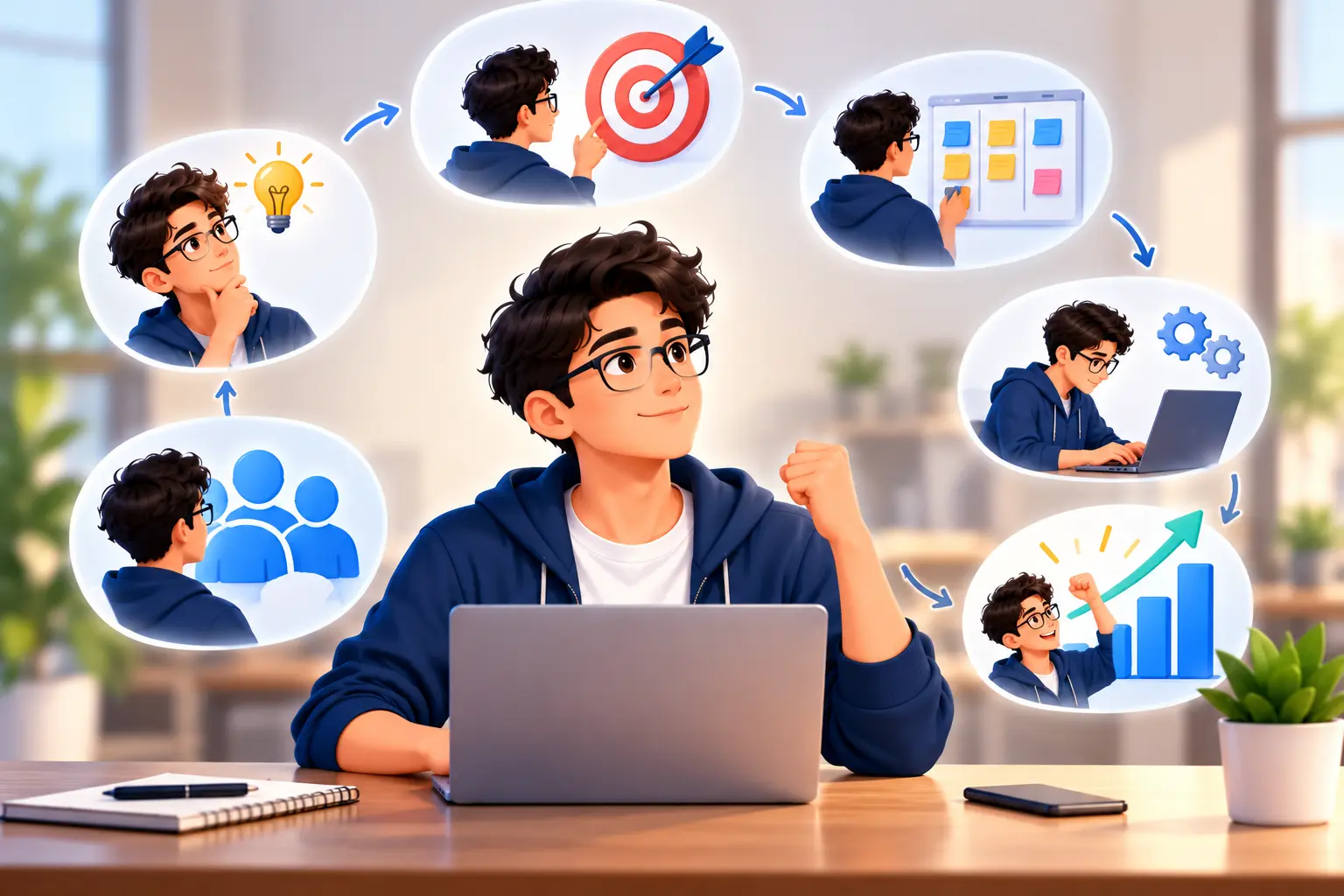
AI can help you find an answer. But it cannot take responsibility for the outcome. If a script generated with AI causes an issue, someone still has to review it. If an AI suggests the wrong troubleshooting step, someone has to catch it. If a customer receives incorrect information, someone has to own the mistake. This is why ownership and judgement become more important, not less important, in an AI-enabled workplace.
How to Build Skills Instead of Just Collecting Certificates
Career development used to follow a relatively predictable path.
- Learn a skill.
- Get a certificate.
- Apply for jobs.
- Gain experience.
- Move to the next level.
AI is making this cycle faster.People can learn new topics quickly, practise skills more often and get personalised help while learning. But this also means candidates need to think differently about their development.
Instead of asking: Which certificate should I do next?
A better question is: Which capability should I build next?
That small change can completely alter how someone approaches their career. For example, instead of simply completing an AWS course, a learner could build a small application, deploy it, monitor it, troubleshoot failures and document the architecture.Instead of completing a Linux course, they could create a Linux environment and practise diagnosing common system problems. The certificate can still come at the end.
But the capability comes first. This is also why AI is changing career development itself. The focus is moving from simply accumulating qualifications toward continuously building and demonstrating relevant skills.
For anyone planning a career in infrastructure, understanding the skills needed for Cloud, DevOps and SRE careers is becoming increasingly important as AI changes how technical teams work.
What Can You Show Employers Besides Certificates?
What employers evaluate | What it can demonstrate |
Certification | Structured learning and subject knowledge |
Practical assessment | Application and troubleshooting |
Project portfolio | Ability to build and document work |
Interview | Reasoning and communication |
AI-assisted task | Ability to use and verify AI output |
A candidate might say: I know Linux.
A stronger candidate can say: I diagnosed a simulated server issue, identified the root cause, fixed it and documented the troubleshooting process.
The second statement is much more powerful because it provides evidence.
Your Portfolio Does Not Have to Be Complicated
Many students hear “portfolio” and immediately think they need to build a large software product. They don’t. For an entry-level technical role, small practical demonstrations can be valuable.
For example:
- Linux: Document how you diagnosed high CPU usage, disk utilisation or a failed service.
- Networking: Create a small network and document IP addressing, DNS and connectivity troubleshooting.
- APIs: Test APIs using Postman and explain common HTTP status codes and authentication issues.
- Cloud: Deploy a simple application and document the infrastructure, security settings and troubleshooting process.
- SQL: Work with a sample database and solve realistic data problems.
Technical Support: Create a troubleshooting guide for common customer issues. These projects do not need to be perfect. They need to demonstrate how you think and how you work.
AI Can Actually Make Practical Learning Better
There is an interesting twist here. AI is one of the reasons certificates alone are becoming less powerful. But AI can also make it easier to build real capability. A learner can use AI as a practice partner.
For example:
Give me a realistic Linux troubleshooting problem. Don’t give me the answer. The learner investigates.
Then:
Here is what I found. What did I miss? or Act as a technical support customer and give me a difficult issue. I will troubleshoot it.
Now the learner is not simply consuming information. They are practising the work.This is a much better use of AI in learning. AI should not become a shortcut around thinking. It should become a tool that helps people think, practise and improve faster.
How to Become Job-Ready in the AI Era
Certificates can support your career, but they should be part of a larger plan. Learn the fundamentals, practise on realistic problems, build projects and prepare to explain how you solved them.
If you are preparing for an entry-level technology role, start by choosing one skill relevant to your target job. Build something practical with it and document what you learned.
At UPSPIR, we believe the goal of technical education should be to help people move beyond knowing concepts to demonstrating what they can do. In the AI era, the strongest career profile combines knowledge, practical ability and evidence of performance.